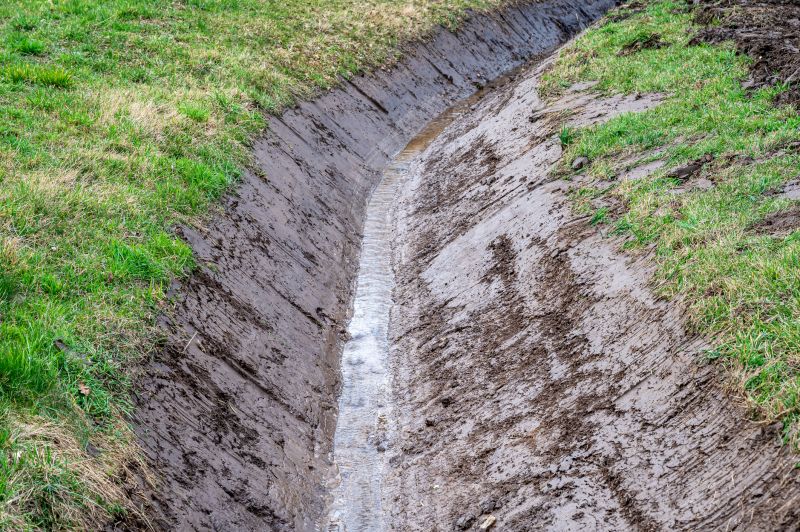
Ditch Installation in Salt Lake City, UT
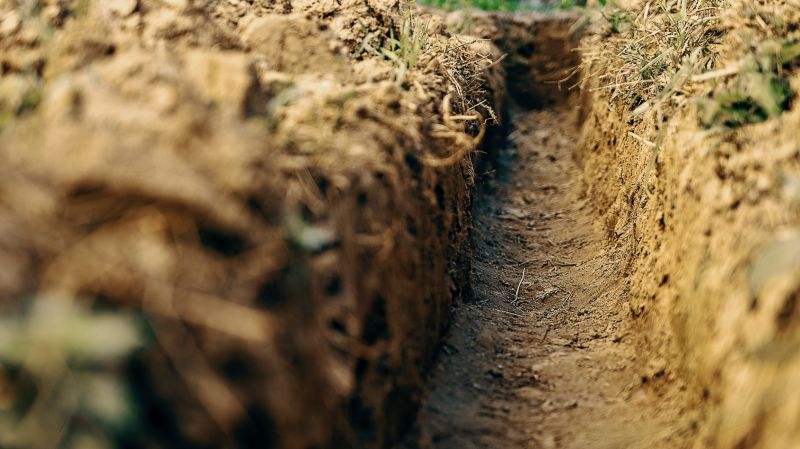
Ditch installation services involve creating a designated channel or trench to manage water flow, drainage, or utility lines across residential properties. These projects typically include installing drainage ditches to prevent water pooling, underground utility trenches for electrical or plumbing lines, or grading solutions to direct runoff away from foundations. Property owners often seek this service to protect landscaping, prevent erosion, or improve overall property drainage, especially in areas prone to heavy rain or snowmelt.
Before requesting ditch installation, property owners should consider the purpose of the trench, the location, and the desired outcome. It’s important to understand the property's grading and soil conditions, as well as any local regulations or permits that may apply. Clear plans for where water or utilities need to flow can help ensure the project meets long-term drainage and utility needs, reducing the risk of future issues related to water damage or utility access.
Many property owners in Salt Lake City, UT look into Ditch Installation for repairs, replacements, upgrades, and appearance-related improvements.
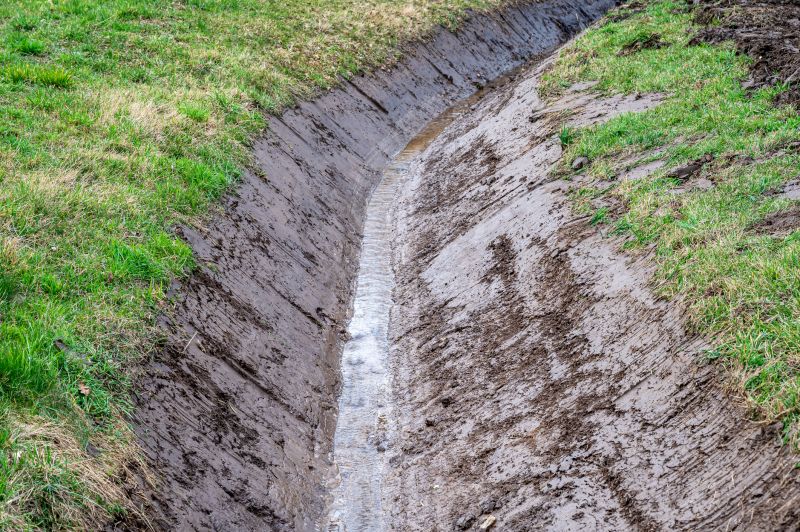
Types Of Ditches
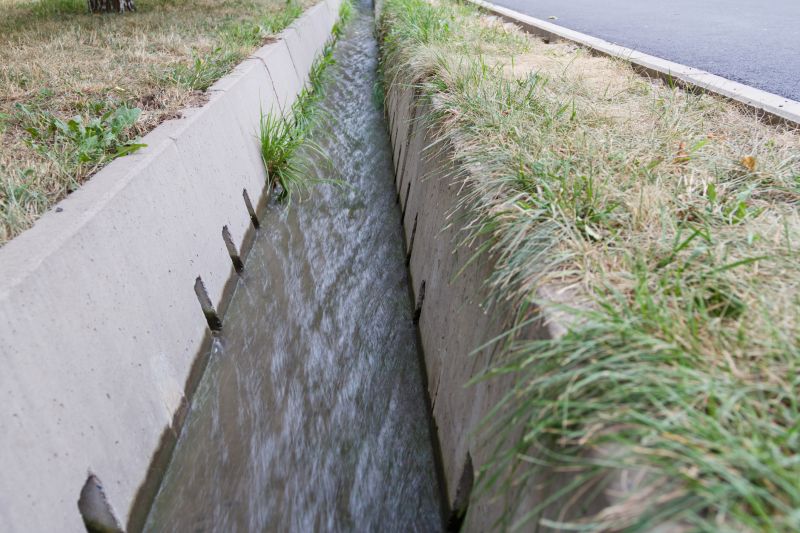
Different ditch styles are suitable for drainage, irrigation, and property management needs.
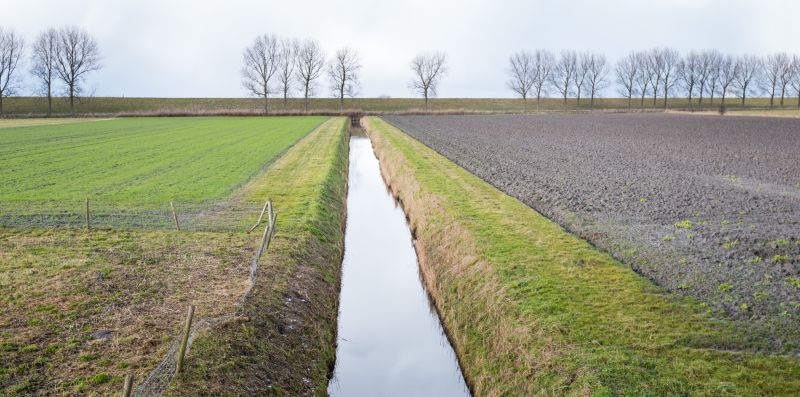
Ditch Installation Benefits
Proper ditch installation helps prevent flooding and manages water flow effectively on residential properties.
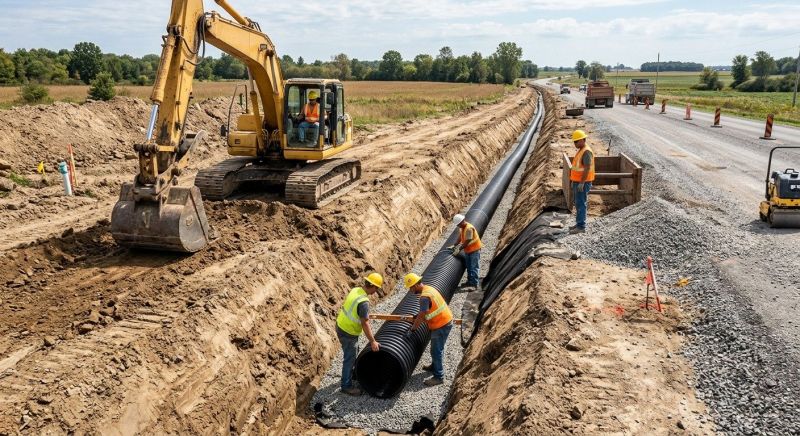
Common Projects
Ditch services are often requested for farmland, residential yards, and commercial landscapes around salt lake city, ut.
Ditch Installation in Salt Lake City, UT

Ditch installation services involve creating a designated channel or trench to manage water flow, drainage, or utility lines across residential properties. These projects typically include installing drainage ditches to prevent water pooling, underground utility trenches for electrical or plumbing lines, or grading solutions to direct runoff away from foundations. Property owners often seek this service to protect landscaping, prevent erosion, or improve overall property drainage, especially in areas prone to heavy rain or snowmelt.
Before requesting ditch installation, property owners should consider the purpose of the trench, the location, and the desired outcome. It’s important to understand the property's grading and soil conditions, as well as any local regulations or permits that may apply. Clear plans for where water or utilities need to flow can help ensure the project meets long-term drainage and utility needs, reducing the risk of future issues related to water damage or utility access.
Many property owners in Salt Lake City, UT look into Ditch Installation for repairs, replacements, upgrades, and appearance-related improvements.
Common Ditch Installation Jobs
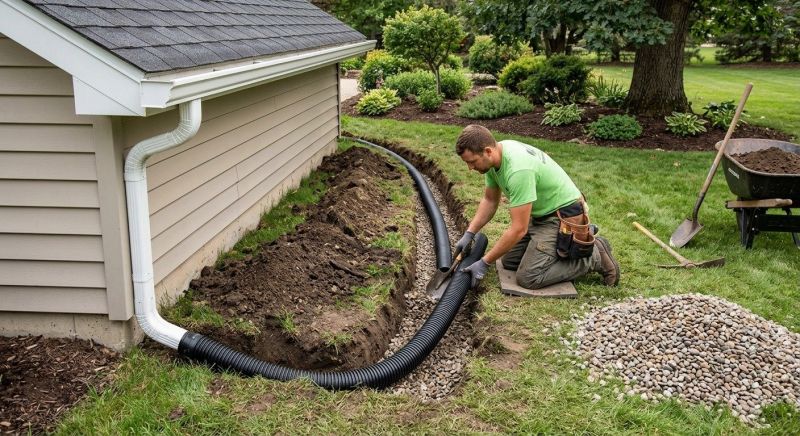
Drainage Ditch Installation - helps direct surface water away from foundations and landscaping.
French Drain Systems - provides effective underground water management for yards and basements.
Swale Construction - creates gentle slopes to prevent erosion and control runoff.
Dry Creek Beds - adds aesthetic appeal while guiding excess water through the landscape.
Channel Installations - ensures proper flow of water along driveways and walkways.
Stormwater Ditching - manages heavy rainfall to reduce flooding risks on residential properties.
Ditch Installation Questions
What is a ditch installation? Ditch installation involves creating a trench to manage water flow, prevent erosion, or install underground utilities on a property.
When is ditch installation needed? Ditches are typically installed to improve drainage around homes, control runoff, or prepare for landscaping projects.
What materials are used for ditch construction? Common materials include soil, gravel, and sometimes concrete or piping for drainage purposes.
How does a property benefit from ditch installation? Proper ditches help direct water away from foundations, reduce flooding risks, and support landscape stability.
Request Ditch Installation in Salt Lake City, UT
Use the quote form on this page to share the basics of your project and request more information for the type of work you need.